The Ultimate Guide to Inflatable SUV Tents: Revolutionize Your Car Camping
Introduction
Let’s be honest, traditional car camping often means battling tent poles and confusing guy lines. It can take the fun right out of arriving at your campsite. Thankfully, the arrival of the inflatable SUV tent is shaking things up. Sometimes called an inflatable car tent or SUV air tent, this clever innovation is quickly winning over campers with its sheer simplicity and ability to create a better camping adventure.
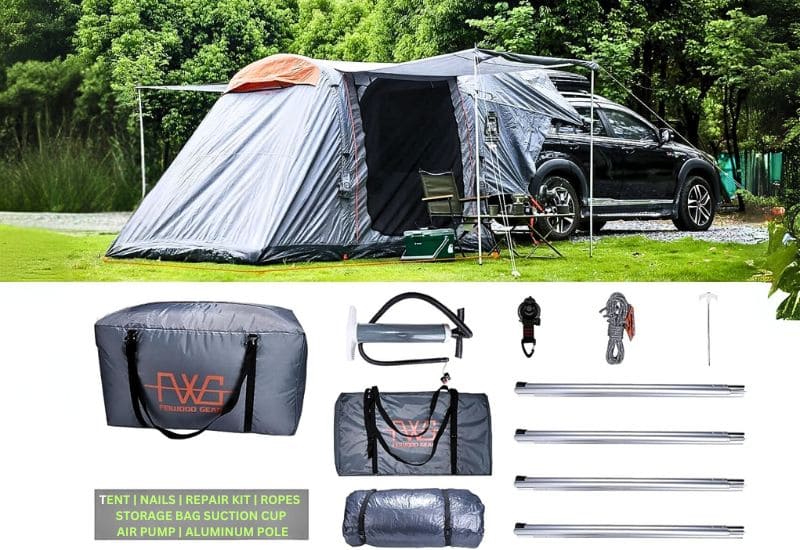
PRODUCT REVIEWS
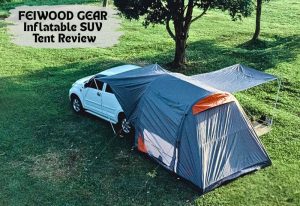 FEIWOOD GEAR SUV Inflatable Tent
The FEIWOOD GEAR Inflatable SUV Camping Tent sets up in 3 minutes & stores in 1, offering a spacious 4-6 person capacity (122x98x80 inches). It connects to most SUVs/MPVs or can be used solo for camping & festivals. Features include dual mesh doors, adjustable sunshades, a 3000PU waterproof coating, & comes with a pump, repair kit & storage bag. Durable 210D polyester fabric ensures weather protection. [Read Full Review Here]
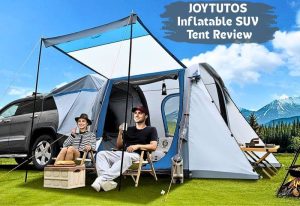 JOYTUTOS SUV Inflatable Tent
The JOYTUTUS Inflatable SUV Tent quickly sets up in 1 minute with a pump (manual inflation). It comfortably fits 4-6 people & connects to your SUV/van for easy access, even in rain! Features 2 large awnings (usable as a movie screen) + a private storage space. Made from waterproof 600D Oxford cloth, it boasts a double-door design for ventilation & convenience. Dual-use: connect to car or use solo. [Read Full Review Here]
Advantages Over Traditional Tents
Why make the switch? The perks of choosing an SUV inflatable tent over the old-school pole type are pretty compelling:
- Speed and Ease of Setup: This is the showstopper. You can often have an inflatable car tent inflated and ready to go in under 10 minutes. Compare that to the puzzling, sometimes lengthy process of threading poles, and you see the appeal. It truly delivers on the easy set promise.
- No More Pole Hassles: Say goodbye to lost poles, snapped sections, or figuring out which pole goes where. The air beams are built right in, streamlining everything.
- Surprising Strength and Stability: Don’t let “inflatable” fool you. These tents are engineered to be tough. They often handle strong winds and downpours even better than traditional tents because the flexible beams can absorb gusts rather than fight them. They perform remarkably well in heavy rain strong conditions.
- More Space, More Comfort: Many inflatable models boast generous headroom and ample floor space, making your camping trip significantly more comfortable. They often feel roomier than pole tents of a similar footprint.
- One-Person Setup is Realistic: Because you’re just pumping air, even larger SUV air tents are much easier for a single person to pitch compared to wrangling long, awkward poles alone.
- Families: Less setup stress + more space = happier family camping trips. It’s simple math!
- Couples: Perfect for quick weekend escapes. Get your shelter up fast and start relaxing sooner.
- Solo Adventurers: Makes managing camp setup solo much less daunting, even if you prefer a larger tent for comfort.
- Electric Vehicle Owners: Some inflatable SUV tents are designed with EVs in mind, like certain Tesla Models, facilitating easy and convenient electric car camping setups.
- Anyone Tired of Tent Tedium: If you value convenience and want to spend less time setting up and more time enjoying, these tents are worth a look.
Brief Overview of Guide Contents
This guide aims to give you everything you need to know about inflatable SUV tents – from choosing the right one to keeping it in great shape. We’ll explore: (For more general info on inflatable tents, check out this guide.)
- Design and Construction: What makes them tick? Materials and tech explained.
- Key Features: What to look for when comparing models.
- Choosing the Right Tent: Matching a tent to your needs.
- Setup and Takedown: Simple steps for pitching and packing.
- Maintenance and Repair: Keeping your investment performing well.
- Maximizing Comfort: Tips for a cozy campsite.
- Safety: Important precautions for peace of mind.
- Advanced Considerations: Handling tougher conditions.
- FAQs: Quick answers to common questions.
- Enhancements and Addons: Optional gear to upgrade your setup.
- Future Trends: What’s next in inflatable tent tech?
Design & Construction of Inflatable Tents
The impressive performance of inflatable SUV tents comes down to smart design and quality materials.
Materials: Fabrics and Coatings
The fabrics used in an inflatable car tent need to be durable, weather-resistant, and reasonably lightweight.
- Polyester: A popular workhorse material. It offers a great mix of strength, water resistance, and value. Look for higher denier ratings (like 150D or more) which signal thicker, more tear-resistant fabric.
- Poly-Cotton (Canvas): This blend feels more traditional and breathes better than pure polyester. That means less condensation inside and potentially a cooler tent in summer. However, it requires a bit more care, weighs more, and usually costs more.
- Oxford Fabric: A tough, woven material often used for tent floors (groundsheets) and other high-wear areas needing extra abrasion resistance.
Coatings: These add crucial protection.
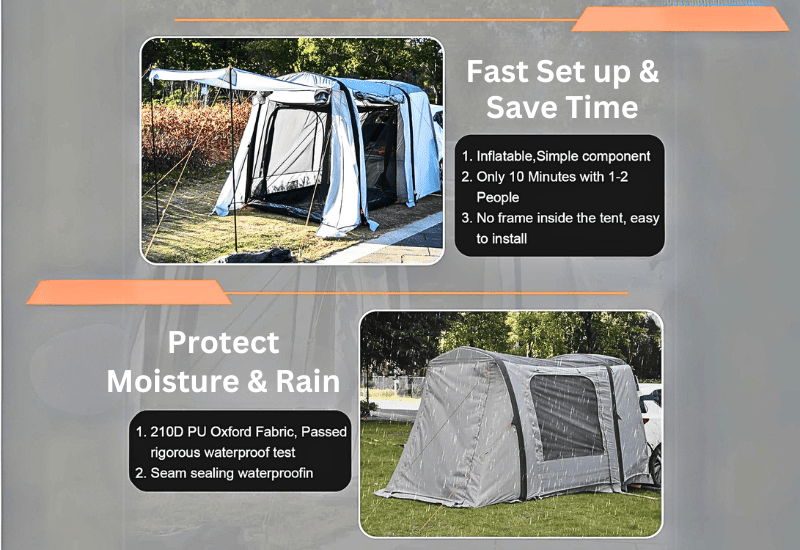
- Polyurethane (PU) Coating: Applied to make the fabric waterproof. The rating is measured in millimeters (mm) – known as the hydrostatic head. A higher number means better waterproofing. Aim for 3000mm or more for reliable rain protection.
- UV Protection: Coatings that shield the fabric from sun damage are vital. They help the tent last longer and prevent the color from fading quickly.
Air Beam Technology Explained
The heart of an inflatable SUV tent is its air beam system.
- TPU (Thermoplastic Polyurethane): The inner inflatable tubes are usually made of TPU. It’s flexible, strong, and resists punctures well.
- Sleeved Air Beams: These TPU tubes are almost always housed inside protective fabric sleeves (often polyester or Oxford). This adds another layer of defense against punctures and sun damage.
- Multiple Air Chambers: Smarter designs use several independent air chambers. If one gets punctured, the others stay inflated, keeping the tent upright and giving you time to make a repair – a crucial feature.
- High Pressure Airbeams: Inflating to the correct, often higher, pressure makes the tent significantly more rigid and stormproof.
Durability and Weather Resistance
Good inflatable SUV tents are built to handle mother nature.
- Wind Resistance: When pegged out correctly with guy lines, these inflatable car tents handle wind remarkably well. The air beams flex slightly, absorbing gusts that might damage rigid poles.
- Water Resistance: Quality fabrics with good PU coatings (aim for 3000mm+ hydrostatic head) and properly sealed seams keep the rain out, even during heavy showers. You can learn more about waterproof ratings from sources like Mountain Warehouse.
- Snow Load: While not usually designed for heavy winter camping, robust models can cope with light snow. Just be sure to clear any accumulation regularly to avoid stressing the structure. Always follow the manufacturer’s advice for snowy conditions.
Key Features & Components
Knowing the parts and features helps you choose wisely when shopping for an inflatable SUV tent.
Inflation Systems (Pumps and Valves)
How the air gets in (and stays in) is fundamental:
- Manual Pumps: Often included, double-action hand pumps are simple and reliable (no power needed). But inflating a big tent manually does take some effort.
- Electric Pumps: Operating off your car’s 12V socket or a portable power bank, these make inflation incredibly fast and effortless. Look for models with auto shut-off to prevent over-inflation.
- Valves: Good quality valves are essential for easy inflation/deflation and preventing leaks. Reliable designs like Boston valves are common and work well.
Attachment Mechanisms (to the SUV)
How the tent connects to your vehicle impacts convenience and weather sealing:
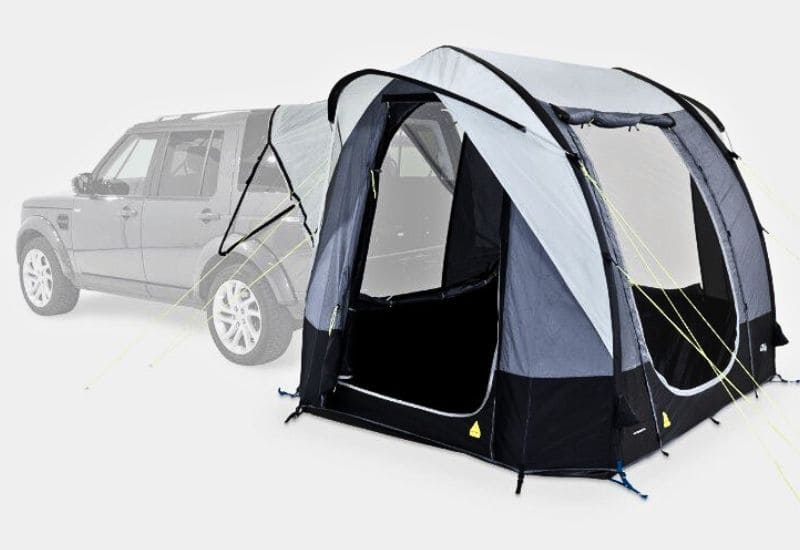
- Tunnel Connection: The most common setup for SUV inflatable tents. A fabric “tunnel” creates a weatherproof passageway from the tent to your vehicle’s rear or side opening, allowing easy access.
- Awning Rail Connection: If your vehicle has an awning rail, some tents can slide directly into it for a very secure, neat fit.
- Magnetic Connection: Offers a quick and straightforward way to attach the connection tunnel to the vehicle body.
- Straps and Buckles: Adjustable straps are often used to secure the tunnel over the roof, around wheel arches, or to roof racks, offering versatility for different vehicle shapes.
Doors, Windows, and Ventilation
These elements make a huge difference to life inside the tent:
- Doors: Think about how many doors you need and where they’re placed for easy entry/exit. Multiple doors are great for bigger tents or families.
- Windows: Large windows bring in light and offer views. Mesh screens keep bugs out while allowing airflow. Look for internal covers or curtains for privacy and blocking out morning sun.
- Ventilation: Crucial for reducing condensation and keeping the air fresh. Good tents have high and low vents, plus mesh panels on doors/windows, to encourage airflow.
Groundsheet Integration
The floor of the tent (groundsheet) needs to be:
- Strong and durable enough to handle foot traffic and gear.
- Waterproof to prevent moisture seeping up from the ground.
- Close fitting (ideally sewn-in or fully zipped-in) to keep out drafts and critters.
Choosing Your Perfect SUV Tent
Picking the right inflatable SUV tent means thinking about how you’ll use it.
Size and Capacity Considerations
- Number of People: Tents are rated by “person” (e.g., 4-person). It’s usually wise to choose one size larger than the number of people actually sleeping in it, especially if you want room for gear or just appreciate more elbow room.
- Living Space: How much non-sleeping space do you need? Want room to sit inside if it rains, or for kids to play? Check floor dimensions and especially the peak height for comfortable headroom.
- Vehicle Interaction: Make sure there’s ample space around the connection point to your size vehicle for easy movement and access.
Compatibility with Different SUV Models
- Vehicle Type: While many SUV inflatable tents aim for universal fit, some work better with hatchbacks versus barn doors, or specific van types. Always double-check the manufacturer’s compatibility list or guidelines.
- Attachment Point: Where does it attach (rear or side)? Does your SUV have suitable features (roof rails, smooth surfaces for magnets, etc.)? Ensure it works with your specific vehicle setup.
Budget and Feature Trade-offs
- Budget: Inflatable SUV tents vary widely in price usd, from budget-friendly options under $500 to premium models over $1500. Decide your spending limit first, then see what features fit.
- Feature Trade-offs: What’s essential for *you*? Quick setup? Maximum waterproofing? Multiple rooms? Decide on your must-haves versus nice-to-haves to find the best balance for your budget.
Reviews and Brand Research help
- Online Reviews: Dive into reviews from fellow campers. Look for patterns in comments about setup ease, durability in real-world conditions, waterproofing, and customer service experiences. Check independent review platforms like Trustpilot.
- Independent Review Websites: Seek out dedicated camping gear review sites for in-depth analysis.
- Brand Reputation: Consider brands known for quality and support in the inflatable tent space. Some established names include Vango, Outwell, Kampa (now part of Dometic), and Coleman. Explore their offerings on their websites: Vango, Outwell, Kampa (Dometic), and Coleman.
- Warranty: Look at the warranty period offered. A longer warranty often reflects the manufacturer’s confidence in their product’s quality. Also, familiarize yourself with the warranty claims process just in case.
Setup, Use, and Takedown
The quick and painless setup is a major selling point for any inflatable SUV tent.
Step-by-Step Inflation and Setup
- Prepare the Campsite: Find a flat spot clear of sharp rocks, sticks, or anything that could puncture the groundsheet. Using a footprint (a separate groundsheet protector) underneath is always a good idea.
- Unpack and Unroll the Tent: Take the tent out of its bag and lay it flat where you want it, oriented correctly relative to your SUV.
- Locate the Inflation Valves: Find the valves on the air beams – they’re usually easy to spot.
- Attach the Pump: Connect your hand pump or electric pump securely to the first valve.
- Inflate the Air Beams: Pump air into the beams, following the manufacturer’s recommended pressure (often marked near the valve in PSI or bar). If using an electric pump, it’s usually very quick.
- Connect the Tent to Your Vehicle: Once the main structure is up, attach the connecting tunnel to your SUV using its straps, magnets, or other system. Adjust for a snug, weather-resistant seal.
- Peg Out the Tent: Secure the tent’s corners and floor loops with pegs suitable for the ground type (hard ground, soft soil, sand, etc.).
- Attach and Tension Guy Lines: Stake out all the guy lines at roughly a 45-degree angle from the tent. Tighten them so they are taut – this is crucial for stability, especially in wind.
Proper Anchoring and Guying
Don’t skip this! Properly securing your inflatable SUV tent is vital:
- Peg Selection: Use the right pegs for the job. Standard pegs might not cut it in very soft or hard ground. Investing in specialized pegs can make a big difference.
- Guy Lines: Always use all the guy lines provided. Ensure they are properly tensioned. Check and re-tension them periodically, especially if the weather changes.
- Regular Checks: Glance over your pegs and guy lines daily, especially if conditions are windy or wet.
Deflation and Packing Techniques
Packing up should be as easy as setting up:
- Open the Deflation Valves: Open all the valves designed for deflation (they might be the same as inflation valves or separate ones).
- Expel Excess Air: Gently push down on the beams or start rolling the tent towards the open valves to force the air out. The more air you get out, the easier it is to pack.
- Detach from Your Vehicle: Carefully disconnect the tunnel from your SUV.
- Fold and Roll the Tent: Fold the tent neatly (check if the manufacturer suggests a specific method). Roll it up tightly, again pushing air out as you go, aiming for a size that fits the carry bag.
- Store in the Carry Bag: Put the rolled tent, pump, pegs, and repair kit back into the storage bag.
Maintenance, Care, and Repair
Taking good care of your inflatable SUV tent ensures it lasts for many adventures.
Cleaning and Drying Best Practices
- Regular Cleaning: After trips, brush off loose dirt. If needed, wipe down with mild soap and water using a soft sponge or cloth. Avoid harsh detergents or scrubbing, which can damage waterproof coatings.
- Spot Cleaning: Tackle tree sap or bird droppings promptly using appropriate gentle cleaners.
- Air it Out: Even if it wasn’t raining, airing the tent briefly after use helps dissipate any trapped moisture.
- Thorough Drying: *Never* pack away a damp tent. Air dry it completely, ideally hung up in a shaded, breezy spot. Direct sunlight for extended periods can degrade fabrics. Proper drying prevents mold and mildew, which can ruin a tent.
Storage Recommendations
- Dry Storage: Store the packed tent in a cool, dry place indoors – avoid damp basements or hot attics.
- Loose Packing (if possible): If storing long-term, slightly looser packing (if space allows) might be better than compressing it tightly.
- Protection from Pests: Ensure stored where mice or insects can’t access it to nest or chew.
Common Repairs and Patching
Accidents happen. Luckily, minor damage is often fixable:
- Punctures in Air Beams: Small holes in the TPU tubes can usually be fixed with a dedicated air beam patch kit (often included). Follow the kit’s instructions carefully.
- Tears in Fabric: Use specific tent repair tape or adhesive fabric patches for small rips in the flysheet or groundsheet.
- Valve Issues: Leaks might just be a loose valve needing tightening or cleaning. If damaged, replacement valves are often available from the manufacturer.
- Seam Sealing: Over time, factory seam tape can sometimes degrade. You can refresh waterproofing by applying a liquid seam sealer along the seams.
Maximizing Comfort & Experience
Turn your inflatable tent setup into a comfortable home away from home.
Interior Organization and Space Management
- Utilize storage pockets and hanging loops.
- Create designated zones (sleeping, living, gear storage).
- Keep paths clear to avoid tripping.
Sleeping Arrangements and Bedding
- Choose comfortable sleeping pads or air mattresses.
- Use sleeping bags rated for the expected nighttime temperatures.
- Don’t forget pillows for a good night’s sleep!
Dealing with Weather Conditions (Rain, Wind, Heat)
Being prepared makes weather less disruptive:
- Rain: Ensure all doors and windows are zipped. Check that guy lines are taut to prevent water pooling. Use a footprint to stop ground moisture.
- Wind: Double-check all pegs and guy lines. Park your vehicle to provide some shelter if possible. Be prepared to re-tension lines.
- Heat: Maximize ventilation by opening vents and mesh panels. Use reflective shades if available. Camp in shaded spots if possible.
- Storms: In severe weather, prioritize safety. Heed advice from park rangers or experienced campers. Resources like the National Park Service offer general safety tips.
Safety and Best Practices
Enjoying the outdoors safely is paramount.
Campsite Selection and Setup
- Choose level ground for comfort and stability.
- Clear the tent footprint of sharp objects.
- Avoid setting up directly under dead branches (‘widowmakers’).
- Be mindful of natural hazards like flash flood zones or animal trails.
Weather Awareness and Precautions
- Always check the weather forecast before and during your trip. Use reliable sources like the National Weather Service.
- Understand lightning safety procedures. If you hear thunder, seek shelter in your vehicle, not the tent. See NWS Lightning Safety.
- Use sunscreen, hats, and appropriate clothing for sun protection.
Ventilation and Carbon Monoxide Safety
- CRITICAL: Ensure good ventilation, especially when sleeping, to reduce condensation and maintain fresh air.
- NEVER use fuel-burning heaters, stoves, or lanterns inside a tent or enclosed awning. Carbon monoxide (CO) is odorless, colorless, and deadly.
- Consider using a battery-powered Carbon Monoxide detector inside your tent for peace of mind.
Advanced Considerations
For those pushing the boundaries:
Dealing with severe weather
- Beyond basic wind/rain, severe storms require caution. Know when to retreat to your vehicle or a permanent structure. Use heavy-duty storm pegs if expecting very high winds. Seek expert advice if planning extreme condition camping.
Using in different terrains
- Choose appropriate pegs for sand, snow, or rocky ground. A good footprint is essential on rough terrain.
Long-term use of your tent
- Regularly inspect air beams, valves, fabric, and seams for wear and tear. Proactive maintenance prevents bigger problems later.
Enhancements and Addons
Take your setup to the next level:
Awnings and Extensions
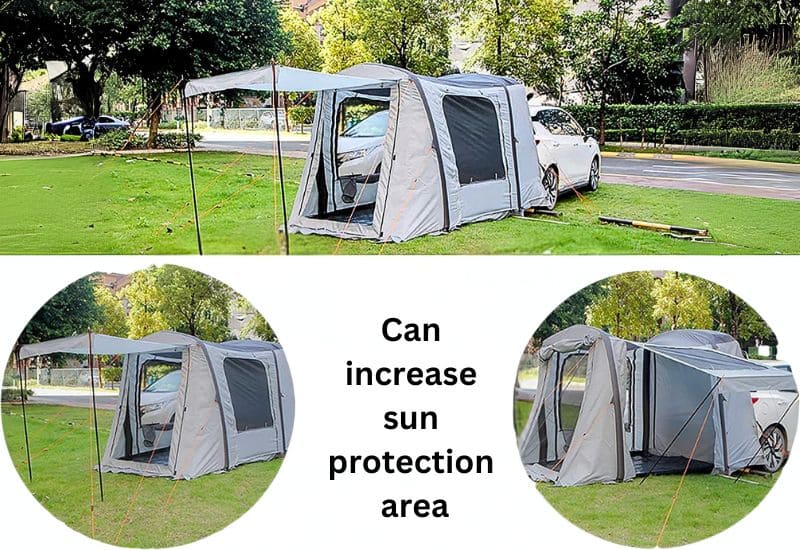
- Awning: Many tents accept optional awnings, creating a sheltered outdoor living space – great for cooking or relaxing out of the sun/rain.
- Extensions/Annexes: Some models offer modular rooms you can add for extra sleeping space or storage.
- Ensure the connecting area between tent and vehicle is well-covered and sealed.
Lighting and Power Solutions
- LED Lights: Battery-powered or rechargeable lanterns and string lights create ambiance and provide needed illumination.
- Portable Power Stations: Essential for charging phones, running electric pumps, powering lights, or even small coolers.
- Solar Panels: Pair with a power station for off-grid recharging.
Comfort Accessories (Carpets, Furniture)
- Tent Carpets: Custom-fit carpets add insulation, warmth, and a much cozier feel underfoot.
- Camping Furniture: Compact folding chairs, tables, and even camp beds significantly boost comfort.
Future Trends in SUV Tents
Innovation continues in tent designs:
Smart Technology Integration
- We might see more tents with app-controlled inflation/deflation.
- Integrated LED lighting systems could become standard.
- Sensors monitoring internal conditions (temp, humidity) are possible.
Sustainable Materials and Manufacturing
- Expect increased use of recycled fabrics.
- Development of more eco-friendly waterproof coatings.
- Focus on reducing waste in the manufacturing process.
Potential Design Innovations
- More modular designs allowing greater customization.
- Lighter weight materials without sacrificing durability.
- Advanced ventilation systems for better climate control.

Conclusion
To sum it up, inflatable SUV tents genuinely offer a leap forward in car camping convenience. They deliver an appealing mix of rapid setup, surprising resilience, spacious comfort, and simplified design. This guide has walked you through understanding the tech, choosing the right model, mastering setup and care, and ensuring a safe, enjoyable trip. Hopefully, you now feel ready to explore this exciting way to camp, leave the pole frustrations behind, and maximize your time enjoying the great outdoors. Choosing an SUV air tent could truly revolutionize how you experience car camping.
Top FAQs on Inflatable SUV Tents:
- How long does it take to inflate an inflatable SUV tent?
- Typically 5 to 15 minutes, depending on the tent’s size and whether you use a manual or electric pump.
- Are inflatable SUV tents durable enough for strong winds?
- Yes, when properly pitched with all guy lines securely pegged out, their flexible design handles wind very well.
- Can I use an inflatable SUV tent in cold weather or winter?
- Many 3-season models handle cooler weather fine, but aren’t designed for heavy snow or extreme cold. Ensure good ventilation to manage condensation. Always check the manufacturer’s specific ratings.
- How do I attach the tent to my SUV securely?
- Methods vary – often a fabric tunnel secured with straps over the roof/to wheels, magnets, or sliding into an awning rail. Always follow the specific tent’s instructions for a weatherproof seal.
- What happens if an air beam gets punctured?
- Most quality tents have multiple air chambers, so only one section deflates; the rest stay up. Small punctures can usually be repaired easily with a patch kit.
- Is it difficult to pack and transport an inflatable SUV tent?
- Not usually. Once deflated properly (expelling all air), they fold/roll into a carry bag. They can be bulkier/heavier than comparable pole tents, but manageable.
- Can one person set up an inflatable SUV tent alone?
- Yes, this is a major advantage. The inflation process makes solo setup much easier than managing long poles.
- What’s the difference between a drive-away and a non-drive-away SUV tent?
- A drive-away awning/tent allows you to securely detach the connection tunnel from your vehicle and leave the tent freestanding while you go exploring. Non-drive-away models generally need to remain connected to the vehicle for structural support.